You’ve just left your powder brow appointment, and you're armed with aftercare instructions. You know the color will get darker, but then you hear the words "scabbing" and "flaking." It’s a stage that can sound intimidating, but it is a completely normal and essential part of your skin's healing process. However, all scabbing is not created equal. Understanding the difference between a healthy, healing flake and a problematic scab is the key to a stress-free journey and a beautifully healed result. This is your expert guide to navigating this crucial phase with confidence.
What's Normal: Thin Flakes and "Peppering"
A perfect heal is characterized by minimal, not heavy, scabbing. The goal of modern aftercare is to prevent the formation of thick, hard crusts. Instead, you should expect to see:
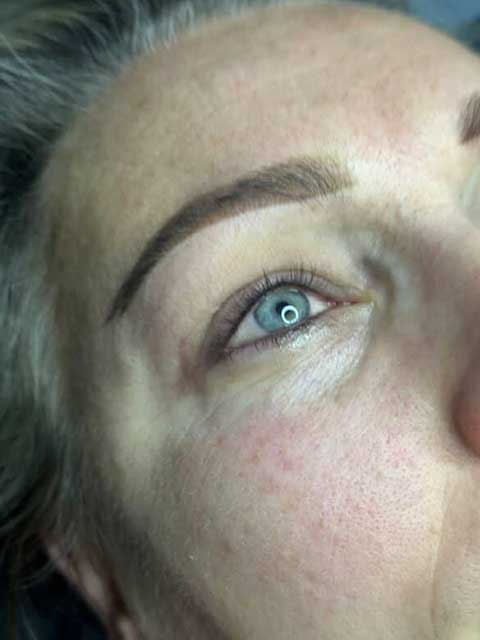
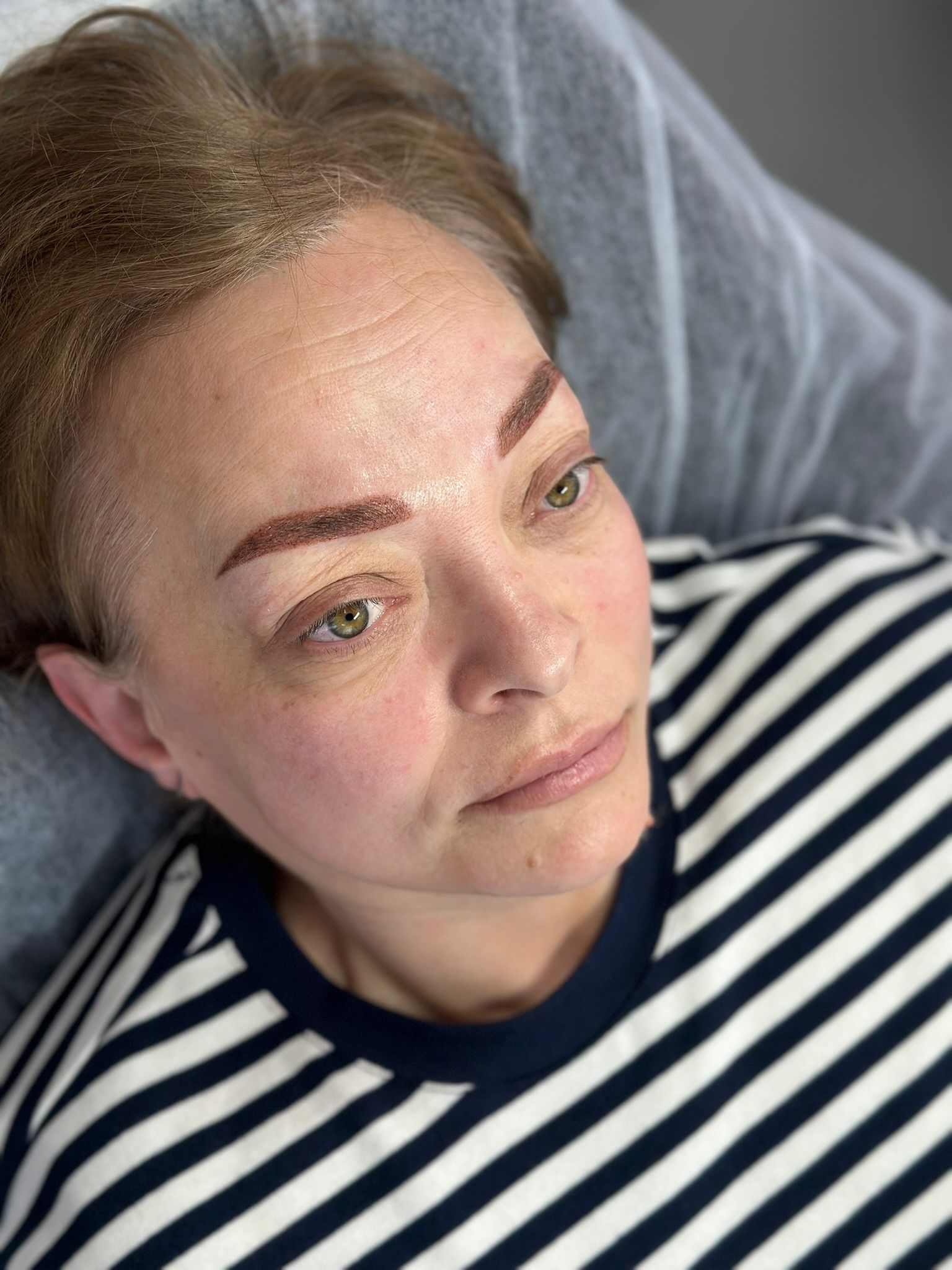
- Thin, Wafer-Like Flakes: Around day 4-7, you will notice the top layer of pigmented skin beginning to lift. It should look like thin, translucent flakes, similar to skin peeling after a mild sunburn.
- A "Peppering" or "Dusting" Effect: Often, the flakes will look less like a single peel and more like tiny specks or "pepper flakes" shedding from the brows. This is a sign of a delicate, healthy healing process.
- Itching is Normal: As the skin repairs itself, a mild itching sensation is very common. This is a sign of healing, but it must be ignored.
What to Do: Absolutely nothing. Let the flakes fall off entirely on their own. Continue your prescribed aftercare of gentle cleansing and applying a thin layer of ointment to keep the area hydrated. The flakes are protecting the delicate new skin underneath where the pigment is settling.
What's Not Normal: Signs for Concern
While rare with proper aftercare, certain signs can indicate an issue with the healing process. These are signs that you should contact your artist immediately.
- Thick, Hard, Dense Scabs: If your brows form a single, thick, hard crust that feels tight and cracks when you move your face, this is a sign that too much lymph fluid was allowed to dry on the skin. These thick scabs can pull out significant amounts of pigment when they fall off.
- Gummy, Wet, or Oozing Scabs: If the scabs look consistently wet, ooze a yellow or greenish fluid, or are accompanied by redness that is spreading, this could be a sign of an infection.
- Excessive Redness or Swelling After Day 3: While some redness and swelling are normal for the first 48 hours, if it worsens, spreads, or feels hot to the touch after this point, it is a cause for concern.
What to Do: If you experience any of these "not normal" signs, do not try to self-diagnose or treat the issue. Contact your permanent makeup artist immediately. They are trained to identify these issues and can provide you with the correct guidance or advise you to see a medical professional if necessary.
The Golden Rule: Whatever You Do, Do Not Pick
This is the most important instruction in all of permanent makeup aftercare. Picking, peeling, or scratching your healing brows is the fastest way to ruin your investment. Each flake or scab is attached to the new, healing skin underneath where your pigment is settling. When you pull a flake off prematurely, you are literally pulling the pigment out of your skin, which will result in:
- Patchy, unevenly healed brows with missing spots of color.
- The need for significant correction at your touch-up session.
- Potential for scarring in the delicate skin.
Expert Guidance for a Perfect Heal in Chicago, Illinois
A key part of a premium permanent makeup experience is the education provided by your artist. A true professional prepares you for every step of the healing journey, ensuring you experience the normal, healthy flaking process. At pmstudiook.com, we believe a perfect result is a team effort. Our masters in Chicago provide every client with meticulous aftercare instructions designed to prevent hard scabbing and promote a beautiful heal. We are committed to supporting our Chicago, Illinois, clients through every stage of their transformation.
The Takeaway: Trust the Shedding
Flaking and shedding after powder brows is not just normal; it is a required step on the path to beautiful, healed results. Think of it as your skin's final act of artistry, revealing the soft, powdery brows underneath. By understanding what healthy flaking looks like and by resisting the urge to interfere, you are playing your crucial part in achieving a flawless, long-lasting outcome.