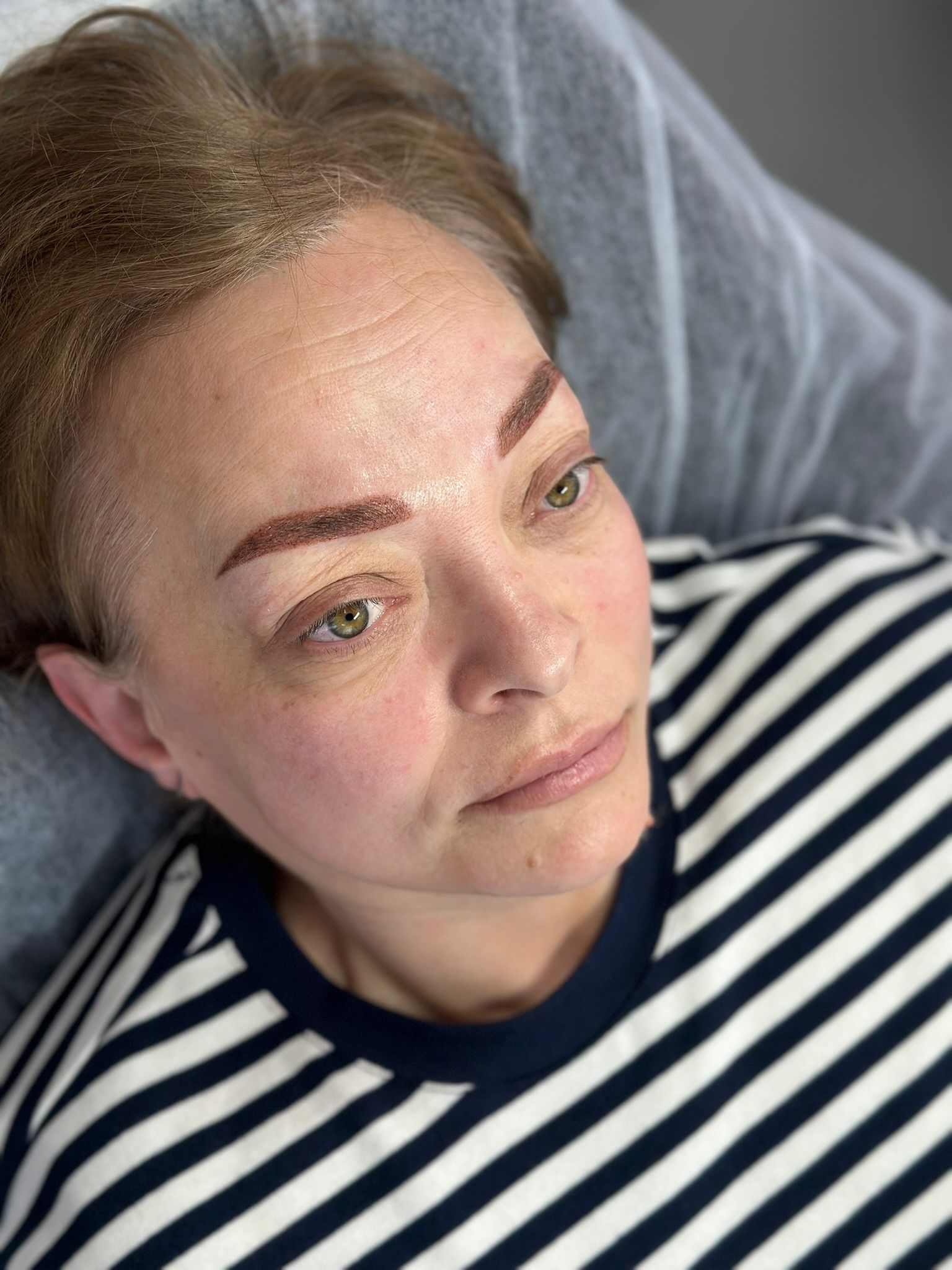
Dry Healing vs. Wet Healing: Which is Better for Powder Brows?
If you've spent any time researching powder brows aftercare, you've likely fallen down a rabbit hole of conflicting advice. Online forums, blogs, and even different artists seem to champion one of two methods: "dry healing" or "wet healing." This debate can leave clients feeling confused and anxious, worried that they might choose the wrong path and compromise their results. It's time to set the record straight. The modern, professional standard isn't strictly "dry" or "wet"—it's a sophisticated, modified approach that takes the best of both worlds to ensure optimal healing and pigment retention.
The Old School: Understanding "Dry Healing"
The Theory: The dry healing method is exactly what it sounds like. After the initial cleaning, the client is instructed to leave their brows completely alone. No water, no cleansers, and absolutely no ointments for the entire 7-14 day healing period. The idea was to let the wound "breathe" and form a natural scab to protect the skin underneath.
The Reality & The Risks: While simple, this outdated method often leads to suboptimal results. By allowing the lymph fluid to dry on the skin, it contributes to the formation of thick, hard, and uncomfortable scabs. These thick scabs can:
- Itch intensely, tempting the client to pick at them.
- Crack when you make facial expressions, causing discomfort.
- Pull out significant amounts of pigment when they fall off, leading to patchy, unevenly healed brows.
The Other Extreme: Understanding "Wet Healing"
The Theory: In an effort to combat the thick scabbing of dry healing, the "wet healing" method emerged. This involves constantly applying a thick layer of ointment (like Aquaphor or Vaseline) to the brows, keeping them occluded and "wet" at all times to prevent scabs from forming at all.
The Reality & The Risks: While this can prevent thick scabs, it creates its own set of significant problems. Keeping a wound constantly saturated can:
- Suffocate the skin, slowing down the natural healing process.
- Trap bacteria, potentially increasing the risk of infection.
- Cause maceration, where the skin becomes overly soft and soggy, which can lead to poor pigment retention and a blurry, diffused final look.
The Professional Standard: Modified Damp Healing
This is the method practiced by most top-tier, modern artists, and it is the key to a comfortable and beautiful heal. It is a precise, balanced approach that controls the healing environment without suffocating the skin.
The Technique:
- Controlling Lymph: For the first day, the client is instructed to gently blot the brows with a clean, damp cotton pad every hour or so. This removes the excess lymph fluid before it has a chance to dry and form a thick scab.
- Applying a Barrier: After blotting, a very thin, rice-grain-sized amount of a specialized, non-comedogenic aftercare ointment is applied to the brows. This is not a thick, suffocating layer. It is a breathable barrier that keeps the skin hydrated and protected from the elements without being "wet."
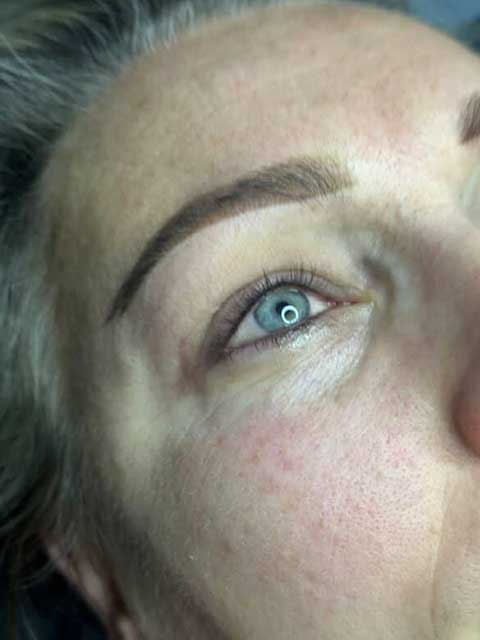
This "blot and balm" routine is typically continued for the first 7-10 days, or as directed by your artist. This method allows the skin to form thin, wafer-like flakes instead of hard scabs, which fall away gently and naturally, keeping the pigment safely implanted underneath.
The Expert Approach in Chicago, Illinois
Choosing an artist who utilizes a modern healing protocol is just as important as the tattooing technique itself. In a climate like Chicago's, where humidity and heat can be factors, a precise and clean healing method is paramount. At pmstudiook.com, our commitment to excellence extends to our aftercare. Our masters in Chicago, Illinois, provide every client with detailed instructions and a specialized aftercare kit to support the modern, modified healing method, ensuring the best possible retention and comfort for your investment.
The Takeaway: It's About Balance, Not Extremes
The "dry vs. wet" debate is a relic of an older era in permanent makeup. The superior, modern method is a controlled, balanced approach that prevents the hard scabs of dry healing and avoids the suffocating risks of wet healing. It's about providing the skin with the precise environment it needs to heal beautifully. So, when you choose your artist, don't just look at their portfolio—ask about their aftercare philosophy. The answer should always be a balanced one, and most importantly, the one you should always follow is the one your specific artist gives you.